Benefits of Grounding

*We may earn a commission for purchases made using our links. Please see our disclosure to learn more.
Benefits of Grounding: How Earthing Supports Mind and Body
So what are the Benefits of Grounding? Walking barefoot on grass or sand might seem simple, but this practice connects your body to the Earth’s natural electrical energy in ways that may support your health. I’ve researched how this technique, called grounding or earthing, has gained attention from both wellness communities and medical researchers. Grounding involves direct physical contact with the Earth’s surface, and studies suggest it may help reduce inflammation, improve sleep, decrease stress, and support faster physical recovery.

The concept centers on the Earth’s electrical charge and how our bodies interact with it. When you touch the ground with bare skin, electrons from the Earth can transfer into your body. This process may influence various body systems, from your nervous system to your cardiovascular function.
I’ll walk you through what grounding actually is, examine the research-backed health benefits of grounding, and show you practical ways to incorporate this technique into your daily routine. Whether you’re dealing with poor sleep, chronic pain, or just looking for natural ways to support your wellbeing, understanding grounding might offer insights worth exploring.
What Is Grounding and How Does It Work?

Grounding connects your body directly to the Earth’s surface through bare skin contact or conductive materials. The Earth carries a natural negative electrical charge that transfers electrons into your body when you make contact with grass, soil, sand, or water.
Grounding Versus Earthing
I often see people wonder if grounding and earthing are different practices. The distinction between grounding and earthing is that grounding can refer to any technique that helps you feel present and stable, while earthing specifically means physical connection with the Earth’s surface. In health contexts, most practitioners use these terms interchangeably to describe the same practice.
When I talk about grounding in this article, I mean the physical connection to the Earth. This includes walking barefoot outdoors, lying on the ground, or using special products like grounding mats that connect to the Earth through electrical outlets or metal rods in the soil.
The Science Behind Grounding
The Earth functions as part of the global electrical circuit, maintaining a subtle negative charge on its surface. When my bare skin touches the ground, free electrons transfer from the Earth into my body. These electrons work as natural antioxidants that can neutralize positively charged free radicals.
The Schumann resonance describes the natural electromagnetic frequencies that exist between the Earth’s surface and the ionosphere. These frequencies vibrate at approximately 7.83 Hz, which some researchers believe may influence biological rhythms in my body. The global electrical circuit continuously maintains the Earth’s electrical properties through lightning strikes and atmospheric processes.
Research shows grounding affects inflammation markers and other biological processes. Studies indicate that electrons from the Earth can reduce inflammation by neutralizing free radicals in damaged tissues.
Historical and Cultural Perspectives
Traditional cultures have practiced walking barefoot and sleeping on the ground for thousands of years. Indigenous communities worldwide maintained regular contact with the Earth as part of daily life without needing scientific studies to validate the practice.
The modern understanding of grounding emerged in the late 1990s when researchers began studying the electrical connection between humans and the Earth. Before that time, people simply recognized that spending time outdoors barefoot felt restorative. Today’s research builds on these observations with controlled studies and measurable biological markers.
Core Health Benefits of Grounding

Grounding appears to work by reducing inflammation throughout the body, which creates positive effects for pain levels, heart function, and immune response. Research shows these benefits come from direct contact with the earth’s natural electrical charge.
Reducing Inflammation and Pain
When I look at the research on grounding, one of the most consistent findings is its effect on inflammation. Grounding reduces inflammation throughout the entire body by connecting us to the earth’s natural electrical current. Chronic inflammation contributes to many health problems, from joint pain to autoimmune diseases.
Studies show that grounded individuals experience measurable decreases in inflammatory markers. The earth’s electrons appear to act like natural antioxidants, neutralizing free radicals that cause tissue damage.
People who practice grounding regularly report reduced pain levels in their muscles and joints. This happens because inflammation decreases when the body connects to the earth’s surface. Athletes have found that grounding reduces muscle soreness after intense workouts.
The anti-inflammatory effects extend to chronic pain conditions as well. By lowering overall inflammation, grounding may help manage pain without medication for some individuals.
Promoting Heart Health
Grounding affects cardiovascular health through multiple pathways. Research indicates that grounding improves blood flow and reduces blood viscosity, making blood less thick and easier to circulate.
When blood flows more easily, the heart doesn’t have to work as hard to pump it throughout the body. This decreased workload may help protect against cardiovascular disease over time. Studies measuring heart rate variability show that grounded individuals have better autonomic nervous system function.
Blood viscosity matters because thicker blood increases the risk of clots and strains the cardiovascular system. Grounding appears to thin the blood naturally by affecting the electrical charge on red blood cells. This allows them to repel each other slightly, preventing them from clumping together.
Enhancing Immune System Function
The immune system benefits from grounding in several ways. Research shows that grounding boosts immune function, including improvements in immunoglobulins and white blood cell activity.
When inflammation decreases through grounding, the immune system can function more efficiently. Chronic inflammation often confuses immune response, sometimes leading to autoimmune conditions where the body attacks its own tissues.
By reducing this background inflammation, grounding helps the immune system focus on actual threats like viruses and bacteria. The practice also supports better sleep, which is critical for immune function. During deep sleep, the body produces immune cells and repairs tissue damage.
Grounding and Sleep Quality

Research shows that grounding directly affects how well we sleep by helping our bodies sync with natural electrical rhythms and balancing stress hormones. The practice addresses multiple factors that control our sleep-wake cycles and the depth of rest we experience each night.
Improving Sleep Patterns
I’ve found that grounding promotes restorative sleep by calming brain activity and relaxing muscles during rest periods. Studies show that people who ground regularly experience deeper sleep cycles and wake up feeling more refreshed.
The practice helps normalize nighttime rest in measurable ways. Medical research demonstrates that grounded individuals fall asleep faster and experience fewer disruptions throughout the night.
Improved sleep quality happens because grounding shifts our brain wave patterns immediately upon contact with the earth. This creates the conditions our bodies need for proper rest and recovery.
Optimizing Circadian Rhythms
Grounding helps reset our internal clock by connecting us to the earth’s natural electrical cycle. The planet generates a 24-hour rhythm called the Carnegie Curve that rises and falls in a predictable pattern.
Research from the 1960s showed that people living underground maintained healthy day-night patterns only when exposed to the earth’s electrical field. When shielded from this energy, they lost their natural rhythms completely.
I recommend grounding in morning light to strengthen circadian rhythms most effectively. Just 20 minutes of barefoot contact with the earth during sunrise helps synchronize your body to natural cycles. This daily practice trains your system to feel alert during daytime and sleepy at appropriate nighttime hours.
Regulating Cortisol Rhythms
Cortisol follows a specific daily pattern in healthy bodies, peaking in the morning and dropping at night. Grounding helps restore this natural rhythm when stress or modern living disrupts it.
Studies reveal that grounded sleep normalizes cortisol levels and reduces overall stress markers in the body. When cortisol drops to appropriate nighttime levels, we can achieve truly restorative sleep.
The connection between grounding and cortisol regulation happens through the earth’s direct current energy. This natural electrical contact appears to signal our stress response system to return to balanced function, allowing proper hormone cycling throughout the day and night.
Mental and Emotional Benefits

Grounding practices directly influence our stress response systems and emotional state through measurable changes in body chemistry and nervous system function. These effects range from lowering cortisol levels to creating sustainable improvements in daily mood and mental clarity.
Reducing Stress and Cortisol
When I make direct contact with the earth’s surface, my body absorbs negatively charged electrons that help neutralize free radicals. This process leads to measurable reductions in cortisol, the primary stress hormone that affects nearly every system in my body.
Research shows that grounding can lower cortisol levels, creating a more relaxed physiological state. The practice calms my autonomic nervous system, shifting it from the fight-or-flight response to a rest-and-digest mode. This shift happens relatively quickly, often within 30 to 40 minutes of barefoot contact with natural surfaces.
Lower cortisol means I experience fewer physical symptoms of stress like tension headaches, rapid heartbeat, and muscle tightness. The effects build over time with regular practice, making daily stressors feel more manageable.
Supporting Emotional Well-Being
Grounding creates stability in my emotional responses by promoting present-moment awareness. The practice works similarly to mindfulness and meditation, anchoring my attention to physical sensations rather than racing thoughts.
I notice improved emotional regulation when I practice grounding regularly. This means I respond to situations more thoughtfully instead of reacting impulsively out of anxiety or frustration. The heightened body awareness helps me recognize emotional shifts as they happen, giving me space to choose how I respond.
Group grounding activities like outdoor yoga sessions strengthen social connections that support mental health. These shared experiences reduce feelings of isolation while building community bonds that buffer against depression and loneliness.
Improving Mood and Relaxation
The combination of reduced stress hormones and increased present-moment awareness leads to noticeable mood improvements. I experience fewer mood swings and a greater sense of emotional balance after spending time with bare feet on natural ground.
Many people report feeling refreshed and energized rather than drained after grounding sessions. This happens because the practice balances the nervous system and improves circulation throughout the body. The relaxation response triggered by grounding also helps me fall asleep faster and sleep more deeply.
Studies indicate that grounding may help alleviate symptoms of anxiety and depression over time. The calming effects create feelings of safety and connection with my environment, which directly counters the isolation and hypervigilance common in anxiety disorders.
Grounding and Physical Recovery

Connecting your body to the earth appears to support physical recovery through reduced inflammation and improved blood flow. Research shows these effects may help with muscle soreness, wound healing, and faster recovery after workouts.
Decreasing Muscle Soreness
When I experience muscle soreness after exercise, grounding may offer relief through its anti-inflammatory effects. The practice appears to reduce delayed-onset muscle soreness (DOMS), which typically peaks 24 to 72 hours after physical activity.
Studies on grounding show that muscles receive better support during physical exertion when the body is connected to the earth. Blood flows more easily with decreased viscosity, allowing oxygen and nutrients to reach tired muscles more efficiently.
The connection to the earth’s electrical circuit helps calm the inflammatory response in muscle tissue. This means less pain and stiffness in the days following intense workouts. I find that grounding may contribute to less muscle soreness when practiced consistently.
Aiding Wound Healing
Grounding supports the body’s natural healing processes at the cellular level. The increased blood perfusion I mentioned earlier delivers more oxygen to injured tissues, which speeds up repair.
Inflammation is a necessary part of wound healing, but chronic inflammation can slow recovery. Grounding helps regulate this inflammatory response, preventing it from becoming excessive or prolonged.
The earth’s natural electrical energy may also support immune system function. White blood cells and immunoglobulins get a boost when grounded, helping protect healing wounds from infection while promoting tissue regeneration.
Accelerating Recovery from Exercise
Grounding can enhance physical recovery by addressing multiple aspects of post-workout restoration. The practice improves heart rate variability (HRV), which indicates better cardiovascular function and stress management.
After exercise, my body needs to clear metabolic waste products and repair damaged tissue. Grounding boosts circulation throughout the entire body, speeding up this process. The improved blood flow delivers fresh nutrients while removing waste products like lactic acid.
Sleep quality also improves with regular grounding, and deep sleep is when the body does most of its repair work. The practice helps normalize cortisol levels and supports deeper, more restorative sleep patterns. This combination of better circulation, reduced inflammation, and improved sleep creates ideal conditions for faster recovery between training sessions.
Practical Ways to Practice Grounding
You can practice grounding through direct contact with the earth outdoors, specialized products that connect you to the ground indoors, or simple adjustments to your daily schedule. Each method offers different benefits depending on your lifestyle and access to outdoor spaces.
Outdoor Grounding Methods
Walking barefoot outside is the simplest way I can recommend for grounding practice. Grass, sand, soil, and even concrete that touches the earth all allow your body to connect with the earth’s electrical current.
I suggest spending at least 20 minutes with bare skin contact on natural surfaces. You can walk on your lawn, stand in a garden, or sit on the beach with your feet in the sand. Swimming in natural bodies of water like oceans, lakes, or rivers provides excellent grounding because water is highly conductive.
Morning grounding works especially well for improving sleep quality. I recommend going outside during first light to help reset your circadian rhythm.
You can also touch the earth with your hands while gardening or working with soil. The key is maintaining direct skin contact with the ground for the best results.
Using Grounding Mats and Products
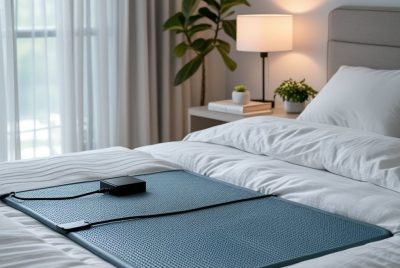
Grounding mats offer an indoor alternative when I cannot get outside. These products plug into the grounding port of a wall outlet to create an electrical connection to the earth.
I can use grounding sheets on my bed while sleeping or place grounding mats under my desk while working. The products contain conductive materials that transfer the earth’s electrons to my body through contact.
Common grounding products include:
- Grounding mats for desks and floors
- Grounding sheets and pillowcases for beds
- Grounding bands for wrists or ankles
- Grounding pads for chairs
I need to ensure any grounding products connect to a properly grounded outlet. Testing the outlet first confirms it will work correctly.
Integrating Grounding into Daily Routines
I can eat meals outside while grounded to support better digestion and reduce inflammation in my gut. This simple practice combines nutrition with the benefits of connecting to the earth’s electrical circuit.
Taking a 10-minute barefoot walk after eating helps boost gut movement naturally. I can also practice morning routines like drinking coffee or reading outside with bare feet on the ground.
Working from a patio or deck while barefoot allows me to ground during productive hours. If I use grounding products indoors, I can place a mat under my feet while at my computer or watching television.
I find that planning vacations around grounding activities like beach trips or camping maximizes the health benefits. Even short breaks during my workday to step outside barefoot make a difference in how I feel.
Frequently Asked Questions
Grounding raises many questions about its effectiveness, duration, and impact on physical and mental health. Research shows specific benefits related to inflammation, sleep quality, and stress reduction.
What are the scientifically proven benefits of grounding?
Studies show that grounding can reduce inflammation in the body. When I connect with the earth’s surface, free electrons transfer into my body and may help neutralize free radicals.
Research indicates grounding can improve sleep quality and reduce pain levels. Scientific research on earthing has documented changes in cortisol levels and blood flow patterns.
Some studies show grounding normalizes blood pressure and improves heart rate variability. The electrons from the earth appear to thin the blood slightly, which may improve circulation.
How does grounding influence sleep and overall wellness?
Grounding affects my body’s circadian rhythm by helping regulate cortisol production. When cortisol levels normalize, I fall asleep faster and wake up feeling more rested.
Many people report feeling more energized after regular grounding practice. The practice may help reduce chronic fatigue by supporting better sleep cycles and reducing nighttime cortisol spikes.
Grounding can improve sleep quality while also enhancing immune function. Better rest leads to improved focus, mood, and physical recovery.
What are the differences between grounding and earthing?
Grounding and earthing refer to the same practice. Both terms describe direct physical contact with the earth’s surface.
Some people use “grounding” to describe mental health techniques for anxiety. However, in the context of physical health, grounding and earthing are identical practices.
The terms can be used interchangeably when discussing connection with the earth’s natural energy. Understanding earthing and grounding basics helps clarify that both involve accessing the earth’s electron flow.
Can grounding techniques reduce inflammation or chronic pain?
Research suggests grounding may reduce inflammation markers in the body. The transfer of electrons from the earth appears to have an anti-inflammatory effect on tissues.
People with chronic pain conditions report reduced discomfort after regular grounding sessions. The practice may help with conditions like arthritis, fibromyalgia, and general muscle soreness.
Grounding helps reduce inflammation by providing antioxidant electrons that neutralize inflammatory free radicals. I should note that grounding works best as part of an overall health approach rather than as a sole treatment.
How long should one practice grounding to experience its benefits?
I can start feeling some effects of grounding within 30 to 40 minutes of direct contact. Initial benefits might include reduced stress or improved mood.
For longer-term benefits like better sleep or reduced inflammation, I need consistent daily practice. Most practitioners recommend at least 30 minutes per day.
Some people practice grounding for several hours by using grounding bed sheets during sleep. This extends exposure time without requiring extra effort during waking hours.
How does grounding affect mental health and stress levels?
Grounding appears to calm my nervous system by reducing cortisol levels. Lower cortisol means less stress and anxiety throughout the day.
The practice helps reduce stress and improve mood by promoting parasympathetic nervous system activity. This is the body’s natural relaxation response.
I may notice improved emotional balance after regular grounding sessions. The physical connection to the earth seems to create a sense of stability and calm that extends beyond the practice itself.